
A closer look at the craft
Masonry repair planning
Understand the condition before choosing the finish.
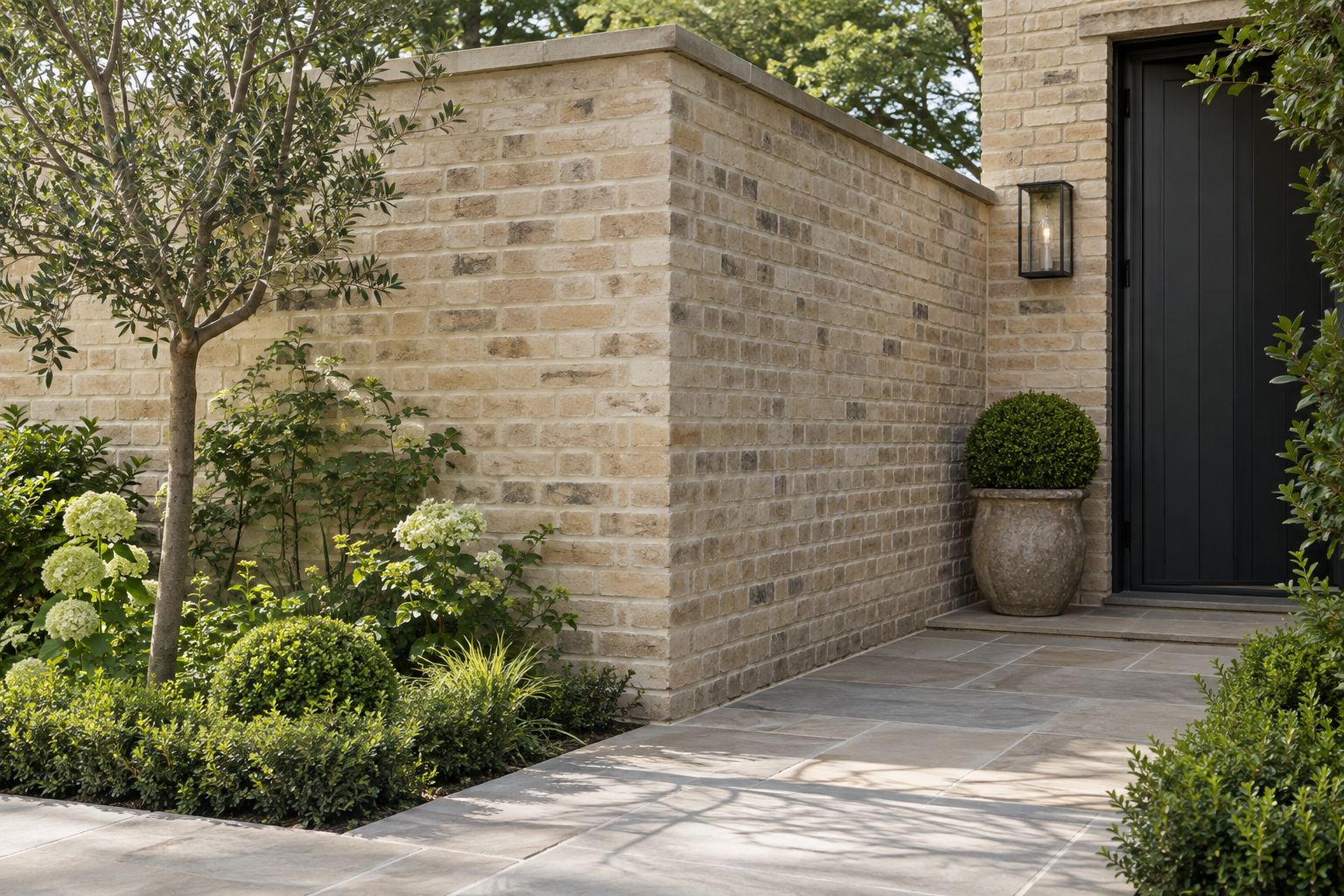
Consider every detail.
A repair inquiry begins with the existing wall and the changes you have noticed. Weathered joints, loose finishes, cracks or moisture concerns can have different causes and require different scopes. We review wide photographs and close details before discussing a site assessment. A fresh-looking joint or decorative surface should not be assumed to resolve a structural or water-management concern.
Document the whole wall as well as the detail.
Take photographs showing the wall, its base, top and neighboring openings, followed by close views of the area of concern. Note when the change appeared and whether it follows rain or other work nearby. These observations help prepare for review. They cannot establish the cause from an image alone, so final recommendations follow an assessment of the actual conditions.
Separate appearance from underlying conditions.
A worn joint and a moving wall can look related while requiring different responses. Describe what you have observed without assuming a cosmetic treatment is the solution. The review considers the existing assembly and relevant supporting or moisture details. Structural concerns or specialist design requirements are identified within the project conversation before the proposed scope is confirmed.
Review a compatible finish approach.
If a repair can be considered, the appearance of units and joints needs attention alongside the proposed materials and preparation. Compare color, texture and joint profile with the retained work. A sample or trial area may help explain the visual direction. Exact compatibility and treatment are established for the existing masonry rather than choosing a product solely from a new-wall illustration.
Include the wall edges and adjacent surfaces.
Caps, returns, openings and transitions to paving can provide useful context for a repair inquiry. Show these areas even when the visible concern is smaller. Discuss whether nearby planting, drains or other work will change. The intended finish should connect to the retained surfaces while the actual assembly and conditions remain central to the proposed approach.
Understand the sequence and practical limits.
Share property access, community requirements and any connected renovation plans. The consultation explains the proposed preparation, treatment, appearance expectations and any separate responsibilities. Illustrative gallery details show finish language; they are not before-and-after evidence or a promise of an invisible repair. A clear scope helps connect the work being considered with the conditions it is intended to address.
Bring the details together.
Your next step.
Share your location, photographs, and the ideas you are considering. We will review the project and discuss a consultation. Final scope, materials, and pricing follow a review of the actual space.
View all Southwest and Southeast Florida service areas.
Discuss your projectA gallery of possibilities
Masonry repair planning: design ideas.
Explore the shapes, materials and details. Select an image for a closer look.
Bring the ideas you enjoy to a conversation about your own space.
Before you begin
Your questions, considered.
Start with these planning details, then discuss the requirements of your own space.
How do you assess a masonry repair?
Review the damaged area, surrounding construction and possible causes, including moisture or movement. Photographs help establish a starting point; the suitable repair follows assessment of the actual condition.
Can repaired masonry match the original?
Matching depends on material availability, weathering, color, texture and joint details. Compare proposed samples against the existing work before confirming the expected appearance.
Should visible cracks be covered immediately?
The cause should be reviewed before a cosmetic repair is chosen. Covering a crack alone may leave moisture or movement unresolved, so include its history and any recent changes in the consultation.
Bring photographs, your project location and the details you would like to discuss.
Discuss your projectBuild your material palette
Materials for this application.
Stone examples describe a possible finish palette. Repair materials and compatibility are established separately for the existing masonry.

Availability and suitability are confirmed for your project. Current physical samples and the required specification guide the final choice.